

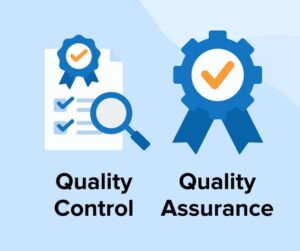
 Quality Assurance (QA) and Quality Control (QC) are essential components of construction projects, ensuring that the project meets the required standards, specifications, and regulations. Here’s a breakdown of QA and QC in construction:
Quality Assurance (QA):
1. Processes and procedures: Establishing and implementing quality processes and procedures to ensure consistency and reliability.
2. Training and education: Providing training and education to personnel on quality standards, procedures, and best practices.
3. Documentation and record-keeping: Maintaining accurate and detailed records of quality-related activities, including inspections, tests, and certifications.
4. Audits and reviews: Conducting regular audits and reviews to ensure compliance with quality standards and identify areas for improvement.
Quality Control (QC):
1. Inspections and testing: Conducting regular inspections and testing to verify that materials, equipment, and workmanship meet the required standards.
2. Defect identification and correction: Identifying and correcting defects or non-conformities, and implementing corrective actions to prevent recurrence.
3. Material control: Verifying the quality and suitability of materials used in construction, including sourcing, storage, and handling.
4. Workmanship standards: Ensuring that workmanship meets the required standards, including adherence to specifications, codes, and regulations.
Benefits of QA/QC in construction:
1. Improved quality: Ensures that the project meets the required standards and specifications.
2. Reduced defects: Identifies and corrects defects early, reducing the likelihood of costly rework.
3. Increased efficiency: Streamlines processes and reduces waste, leading to improved productivity and efficiency.
4. Enhanced reputation: Demonstrates a commitment to quality, enhancing the reputation of the construction company.
5. Compliance with regulations: Ensures compliance with relevant regulations, codes, and standards, reducing the risk of non-compliance.
Implementation of QA/QC in construction:
1. Develop a quality plan: Establish a quality plan that outlines the QA/QC processes and procedures for the project.
2. Assign quality roles and responsibilities: Designate personnel responsible for QA/QC and ensure they have the necessary authority and resources.
3. Conduct regular inspections and testing: Regularly inspect and test materials, equipment, and workmanship to ensure compliance with standards.
4. Document and record quality activities: Maintain accurate and detailed records of quality-related activities.
5. Continuously monitor and improve: Continuously monitor the QA/QC process and identify areas for improvement.
By implementing effective QA/QC processes, construction projects can ensure high-quality outcomes, reduce defects and rework, and enhance the reputation of the construction company.